
Am I a Good Candidate for Dental Implants? A San Bernardino Checklist
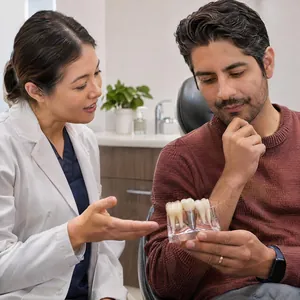
If you are missing one or more teeth, it is normal to wonder whether dental implants are an option for you or if you will be told you are "not a candidate." The truth is that candidacy for dental implants in San Bernardino is usually not a yes-or-no label. It is a combination of health factors (like gum condition and bone support), lifestyle factors (like smoking), and planning details (like bite forces and timing).
This guide explains what an implant dentist typically looks for, what can often be improved before treatment, and what alternatives may make sense if implants should be delayed.
TL;DR - A Quick Dental Implant Candidacy Checklist
Most people can at least start the implant conversation. A good candidate for dental implants typically has healthy gums, manageable medical risk, and enough bone support (or a plan to address it).
- Healthy gums first: active infection or untreated gum disease usually needs to be addressed before implants.
- Bone matters: bone support and implant position are part of safe planning, especially in older extraction sites.
- Medical history counts: conditions like diabetes may affect healing, so your dentist plans around it.
- Smoking can change the plan: it may increase risk and impact timing and aftercare expectations.
- Not ready yet is common: many patients can become candidates after targeted prep care or by using a bridge temporarily.
In our previous blog, "Implant Dentist vs. Oral Surgeon in San Bernardino" we discussed who may place implants and how teams coordinate care. In this article, we focus on how candidacy is evaluated and what to do if you need preparation first.
What an Implant Dentist Evaluates for Dental Implants in San Bernardino
When people search for Dental Implants San Bernardino, they are often looking for a confident answer: "Will this work for me?" The best way to get that answer is a comprehensive exam that looks at your mouth and your overall health.
1) Gum Health: A Stable, Low-Inflammation Foundation
Implants depend on the health of the surrounding gums and bone. If there is active gum disease, untreated decay, or ongoing infection, your dentist will typically recommend addressing those issues first so the implant is placed into a healthier environment.
- Signs that gums may need attention: bleeding with brushing, persistent bad breath, gum tenderness, or teeth that feel loose.
- Why it matters: inflammation and infection can raise the risk of complications around an implant site.
2) Bone Support: Volume, Density, and Implant Position
Bone is not just "there or not there." The amount and shape of bone helps determine where an implant can be placed and what type of restoration will fit your bite. If a tooth has been missing for a while, bone changes can occur over time, which is why planning matters.
If bone is limited, your dentist may discuss ways to build support, adjust the plan, or consider another replacement option. The goal is always a stable, realistic outcome without overpromising.
3) Bite Forces and Tooth Location
Back teeth often experience stronger chewing forces than front teeth. Your dentist will evaluate how your teeth fit together and whether clenching or grinding may affect the plan. Sometimes, the best implant plan includes protection strategies to reduce overload.
4) Oral Hygiene and Maintenance Readiness
Implants are not "no-maintenance." You still need daily plaque control and regular dental visits to keep the surrounding tissues healthy. In our experience, implant outcomes tend to be smoother for patients who have a consistent brushing and flossing routine before implant treatment begins.
Medical and Lifestyle Factors That Can Affect Implant Candidacy
Smoking and Nicotine Use
Smoking and nicotine exposure can interfere with healing and long-term gum health. That does not automatically mean implants are impossible, but it is an important candidacy discussion. If you use nicotine, tell your dentist so your care plan can be tailored with realistic risk and aftercare guidance.
Diabetes and Healing Considerations
Many people with diabetes can still be candidates for implants, especially when the condition is well-managed. Your implant plan may depend on how your body heals and your overall infection risk, which is why sharing medications and medical history is essential.
Medications and Recent Medical Events
Always bring a current medication list and be ready to discuss recent hospitalizations or major health changes. Your dentist is looking for the safest timing and the least complicated healing window.
Timeline Flexibility
Patients often assume the "best candidate" is someone who can do everything immediately. In reality, a good plan is one you can follow. If you have travel, work demands, or caregiving responsibilities, mention that early so your appointments and healing time can be planned realistically.
What If You Are "Not a Candidate Yet"?
Hearing "not yet" can be discouraging, but it often means there is a clear path forward. Common reasons for delaying implants include active infection, poor gum health, or planning needs that are safer to address first.
Common Steps That May Help You Become a Better Candidate
- Stabilize gum health: treating inflammation and improving home care habits.
- Address urgent dental problems: fixing decay or problematic teeth that could affect healing.
- Plan for bone support: discussing whether bone rebuilding or plan changes are appropriate.
- Choose a temporary tooth replacement: keeping function and appearance while you prepare.
If implants need to be delayed, a dental bridge may be a practical option for some patients. Our dental bridges service page explains how bridges replace missing teeth and what to consider.
Alternatives to Consider If Implants Are Not the Right Fit
Dental implants are one excellent solution, but not the only one. Your dentist may recommend an alternative if your health, timeline, or anatomy makes implants less predictable right now.
Dental Bridges
Bridges can replace a missing tooth by relying on adjacent teeth for support. They can be a good option when implant timing is uncertain or when you want a non-surgical approach. If you want to understand bridges and implants side-by-side, our team also provides restorative options like dental crowns that may be part of a bridge plan.
Planning a Comfortable Visit
If dental anxiety has kept you from scheduling a consult, ask about comfort options. We offer sedation dentistry, which may be helpful for some patients depending on the visit and your needs.
How to Prepare for Your Implant Consultation
A strong consultation is part diagnosis, part planning. Consider bringing:
- A list of medications and supplements
- Notes about medical conditions and recent changes
- Your goals (appearance, chewing comfort, stability, timeline)
- Questions about alternatives if implants are delayed
Questions Worth Asking Your Implant Dentist
- What is the biggest factor affecting my candidacy right now?
- Do my gums need treatment before we plan implants?
- Is bone support a concern, and what are the options?
- What would you recommend if implants are delayed?
- How should I care for my mouth while I am preparing?
If you are new to our office, you can also review what to expect on our First Visit page.
FAQs
Related Reading
- Dental Implants
- Common Myths About Dental Implants in San Bernardino
- Top 5 Benefits of Dental Implants in San Bernardino
- Dental Implants: A Long-Term Remedy for Missing Teeth
- Meet Dr. Myron Massey
Conclusion: Candidacy Is a Plan, Not a Label
The best candidates for implants are not always the people with "perfect" mouths. They are people with a plan that matches their gum health, bone support, medical history, and everyday habits. If you are researching implant dentistry in San Bernardino, a consultation can help you understand whether implants are right for you now, or what steps could make them more predictable later.
Schedule an Implant Consultation
To talk through candidacy and next steps with Dr. Myron Massey, call 909-888-1301 or request a visit through our Contact Us page.
Request an Appointment