
Why Kids Still Get Cavities Even If They Brush: A Parent Checklist
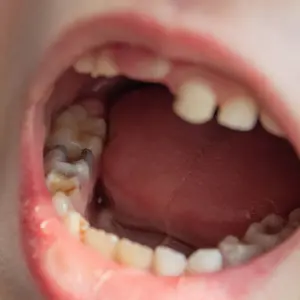
Many parents feel frustrated when a child gets a cavity despite brushing every day. The truth is that tooth decay is usually about more than effort. It is about risk factors that quietly stack up over time: diet timing, missed plaque in hard-to-reach spots, enamel strength, saliva flow, and whether the teeth have extra-deep grooves.
This parent-friendly guide is designed to support families looking for children dentistry in San Bernardino with a practical checklist you can use at home, plus clear next steps if you think something is starting.
TL;DR - The Fastest Way To Reduce Cavity Risk at Home
If your child brushes but still gets cavities, focus on the habits that matter most: frequency of sugar exposure, back molar protection, between-teeth cleaning, and fluoride support.
- Limit grazing: fewer snack "episodes" matters as much as what they eat
- Parent "check and finish" brushing, especially on back molars and gumline
- Add flossing or floss picks once teeth touch (cavities often start between teeth)
- Ask about fluoride and sealants to strengthen enamel and protect grooves
- Watch for mouth breathing or dry mouth, especially at night
In our previous blog, "Children Dentist in San Bernardino: A Parent's Complete Guide," we covered the basics of children's dental visits and prevention. In this article, we focus specifically on the hidden reasons cavities can still happen and what you can change this week.
Hidden Reasons Kids Get Cavities Even If They Brush
1) The "Snack Frequency" Problem (Not Just Candy)
Each time your child eats or drinks something with sugar or starch (crackers, chips, granola bars, even frequent juice), mouth bacteria produce acids that soften enamel. If snacking happens all day, teeth spend more time under acid attack, even if brushing is consistent.
What helps: build predictable meal and snack times, and choose water between them. If your child needs a snack, pair it with water and avoid sticky, slow-dissolving foods when possible.
2) Missed Spots: Back Molars, Gumline, and the "Inside" Surfaces
Kids often brush the easy front surfaces and miss the back molars, the gumline, and the inside of the lower teeth. Those areas can hold plaque the longest and develop decay quietly.
- Back molars: deep grooves trap plaque
- Gumline: plaque tends to collect where the brush does not angle correctly
- Lower front teeth (inside): easy to miss and often builds up quickly
3) "Brushing Alone" Does Not Clean Between Teeth
If teeth touch, food and plaque can remain between them where toothbrush bristles cannot reach. That is why some kids get cavities between molars even with a strong brushing routine.
4) Not Enough Fluoride (Or Fluoride Not Used Correctly)
Fluoride can help strengthen enamel and make it more resistant to acid. Some children do not consistently get fluoride exposure, or they rinse thoroughly after brushing, which can wash away the protective benefit too quickly.
5) Deep Grooves That Need Extra Protection (Sealants)
Some kids have naturally deep pits and fissures on the chewing surfaces of back teeth. Even with good brushing, those grooves can be hard to keep fully clean. In many cases, sealants are a helpful preventive option to reduce risk in those high-trap areas.
If you want to learn more about pediatric preventive care, our pediatric dentistry page explains how we approach children's oral health from prevention to treatment.
6) Dry Mouth and Mouth Breathing (Especially at Night)
Saliva is part of your child's natural defense system. It helps neutralize acids and wash away food particles. When kids breathe through their mouth, especially during sleep, their mouth can dry out, which may increase cavity risk.
San Bernardino Parent Checklist: What To Check This Week
Use this quick checklist to spot the most common "why" behind cavities. It is not about blame, it is about finding the easiest changes with the biggest payoff.
-
Snack schedule: Does your child eat or sip flavored drinks many times between meals?
-
Two-minute brushing: Is brushing actually lasting about two minutes, or closer to 20 to 30 seconds?
-
Parent check: Are you still doing a quick "check and finish," especially at bedtime?
-
Back molars focus: Is the brush reaching the last teeth on both sides?
-
Between-teeth cleaning: If teeth touch, is flossing or floss picks happening most days?
-
Bedtime routine: After brushing at night, is the only drink water?
-
White spots: Do you see chalky white areas near the gumline (a possible early sign of enamel weakening)?
-
Mouth breathing: Does your child sleep with their mouth open, wake up with dry lips, or have frequent dry mouth?
When To Schedule a Visit (Before It Becomes an Emergency)
Cavities do not always hurt right away. Consider scheduling an exam if you notice sensitivity, visible spots, food getting stuck in the same area, or bad breath that does not improve with brushing.
If you are looking for a children dentist in San Bernardino, our team focuses on prevention first, and we explain what we see in plain language so you can make confident decisions.
Experience-Based Observation From Our Team
In day-to-day pediatric visits, we often find that families who feel like they are "doing everything right" simply need one small adjustment, like focusing on the last molars, changing the timing of snacks, or adding between-teeth cleaning. Those changes can make a noticeable difference over the next checkups.
How Children Dentistry in San Bernardino Supports Prevention
Preventive care is not one-size-fits-all. A child's cavity risk can change with growth spurts, orthodontic changes, diet shifts, and even how well new molars erupt. We recommend building prevention around your child's specific risk factors and habits.
For families comparing options for dental treatment in San Bernardino, you can also review our full list of services here: our dental services.
FAQs
Related Reading
- Children Dentist in San Bernardino: A Parent's Complete Guide
- Pediatric Dentistry
- Tooth-Colored Fillings
- Frequently Asked Questions
Conclusion: Focus on the "Hidden Levers," Not Just Brushing
If your child is brushing and still getting cavities, you are not alone. In many cases, the fix is identifying one or two hidden risk factors and building a simple plan around them, not starting over from scratch.
Schedule a Checkup
If you want a clear plan for prevention or you are concerned about a possible cavity, call Dental Care San Bernardino to schedule an appointment with Dr. Myron Massey at 909-888-1301.
You can also review what to expect before coming in on our first visit page.
