
A Parent Playbook for Preventing Kids’ Cavities Between Visits
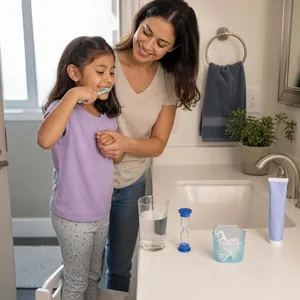
Most cavities do not happen overnight. They build slowly from daily habits: how long food sits on teeth, how often kids snack, and whether plaque is being removed where brushes miss. This parent guide is designed to help you protect your child’s smile between checkups, especially if you are looking for practical guidance from children dentistry in San Bernardino.
TL;DR - Your Between-Visits Cavity Prevention Plan
The best way to prevent cavities between appointments is to tighten up the home routine in the areas that usually get missed: between teeth, snack timing, and bedtime habits.
- Brush twice daily with parent help until your child is truly consistent
- Floss once daily as soon as teeth touch side-by-side
- Cut down on frequent grazing, especially sticky and starchy snacks
- Choose water most often, and limit juice/sports drinks to occasional use
- Call the dentist early if you see spots, sensitivity, or pain
In our previous blog, "Kids Still Get Cavities? Parent Checklist" we discussed why decay can happen even with brushing. In this article, we focus on an actionable, day-to-day prevention plan you can use at home.
What Makes Cavities More Likely Between Dental Visits?
Cavities form when plaque bacteria use sugars and carbs to create acids that soften enamel. For many families, the biggest risk factor is not brushing effort, it is frequency: frequent snacks, frequent sips of sweet drinks, and frequent bedtime routines that leave teeth coated.
Experience-based observation from our team: parents are often surprised how quickly the risk drops when they stop all-day grazing and add one dependable flossing step at night. Those two changes can make home care much more predictable.
Brushing Supervision by Age: A Simple Guide
Kids often need more help than parents expect, even when they seem independent. Use this as a practical supervision guide and adjust based on your child’s coordination and attention span.
Ages 0-3: Build the Habit and Keep It Gentle
- Brush gently twice a day, focusing on gumline areas where plaque collects.
- Use a tiny amount of toothpaste and keep the routine calm and consistent.
- Make it predictable: same spot, same order, same timing.
Ages 4-6: "You Brush, I Finish"
- Let your child start brushing to build confidence, then you do a quick final pass.
- Focus on back molars and along the gumline (common miss areas).
- Use a 2-minute timer so brushing lasts long enough.
Ages 7-10: Independence With Spot Checks
- Many kids can brush solo, but still benefit from nightly spot checks.
- Ask them to "show you their back teeth" and re-brush any missed areas.
- Night brushing is the most important because saliva flow drops during sleep.
Floss Training: The Best Defense for Cavities Between Teeth
If your child’s teeth touch each other, plaque can hide in those tight spaces even with excellent brushing. This is why flossing is a key part of preventive care recommended by many children dentist in San Bernardino searches.
How to Make Flossing More Realistic
- Start with one area: pick the tightest contact (often between molars) and build from there.
- Try floss picks: they can be easier for parents to use during a quick nighttime routine.
- Use a "two-tooth goal": floss just two contacts for one week, then add more.
- Keep it consistent: once daily, ideally at night after brushing.
Snack Timing Matters More Than Many Parents Realize
A single sweet snack is usually less risky than constant snacking. Frequent snacking means teeth stay in an "acid cycle" longer. If you want a simple rule, aim for planned snack times rather than grazing.
Lower-Risk Snack Habits
- Limit sticky snacks (fruit snacks, gummies, chewy candies) that cling to teeth.
- Watch starches (crackers, chips) that can pack into grooves and between teeth.
- Pair snacks with water to help clear food and reduce lingering sugars.
- Finish and rinse: after snacks, water is a simple "reset button."
Water, Juice, and Sports Drinks: What to Do in Real Life
Many parents already know to limit soda, but sports drinks and juice can also be a challenge because they are often acidic and sipped slowly. The goal is not perfection. It is to reduce how often teeth are exposed.
Practical Tips That Fit Busy Schedules
- Water most of the day: keep a water bottle accessible.
- Keep sweet drinks with meals: avoid sipping them for hours.
- After sports: water first, then any sports drink as a short, limited drink instead of continuous sipping.
Bedtime Bottles, Sippy Cups, and Nighttime Snacks: The Biggest Red Flag
Nighttime is a common cavity trigger because saliva (your mouth’s natural cleanser) decreases during sleep. If a child falls asleep with milk, juice, or sweetened drinks coating the teeth, it can raise the risk of decay.
- If your child needs a comfort drink: ask your dentist for guidance based on age and habits, and aim to transition toward water when possible.
- Brush last: the final step before bed should be brushing (and flossing if teeth touch).
- If you do a bedtime snack: keep it small, then do a quick brush after.
When to Call Your Dentist Between Checkups
Early calls often prevent bigger problems. If you notice any of the issues below, it is worth checking in for dental treatment in San Bernardino before it becomes painful.
- Tooth pain, especially at night or when chewing
- Cold sensitivity that lingers
- Swelling in the gums or face
- A pimple-like bump on the gums
- White, brown, or dark spots that do not brush off
- A chipped or broken tooth (even if it does not hurt)
How a Children Dentistry San Bernardino Visit Supports Your Home Routine
Home care is the foundation, and regular dental visits help you verify that your routine is working. Your dentist can check high-risk areas (like between molars), review brushing and flossing technique, and recommend changes based on what they see.
If you would like to read more about pediatric care, visit our pediatric dentistry page.
FAQs
Related Reading
- Pediatric Dentistry in San Bernardino
- Children Dentist in San Bernardino: Pediatric Dental Advice
- Your First Visit to a Children’s Dentist in San Bernardino
- Kids Still Get Cavities? Parent Checklist
Conclusion: Small Daily Choices Add Up
Preventing cavities between checkups is less about a perfect routine and more about consistency in the few things that matter most: brushing long enough, cleaning between teeth, and reducing frequent sugar exposures. If you would like personalized guidance for your child, a visit can help fine-tune your at-home plan.
Schedule a Kids’ Dental Visit
If you are looking for children dentistry in San Bernardino and want support building healthier between-visit habits, call 909-888-1301 to schedule a visit with Dr. Myron Massey.
You can also review our full range of care on our services page.
Request an Appointment